
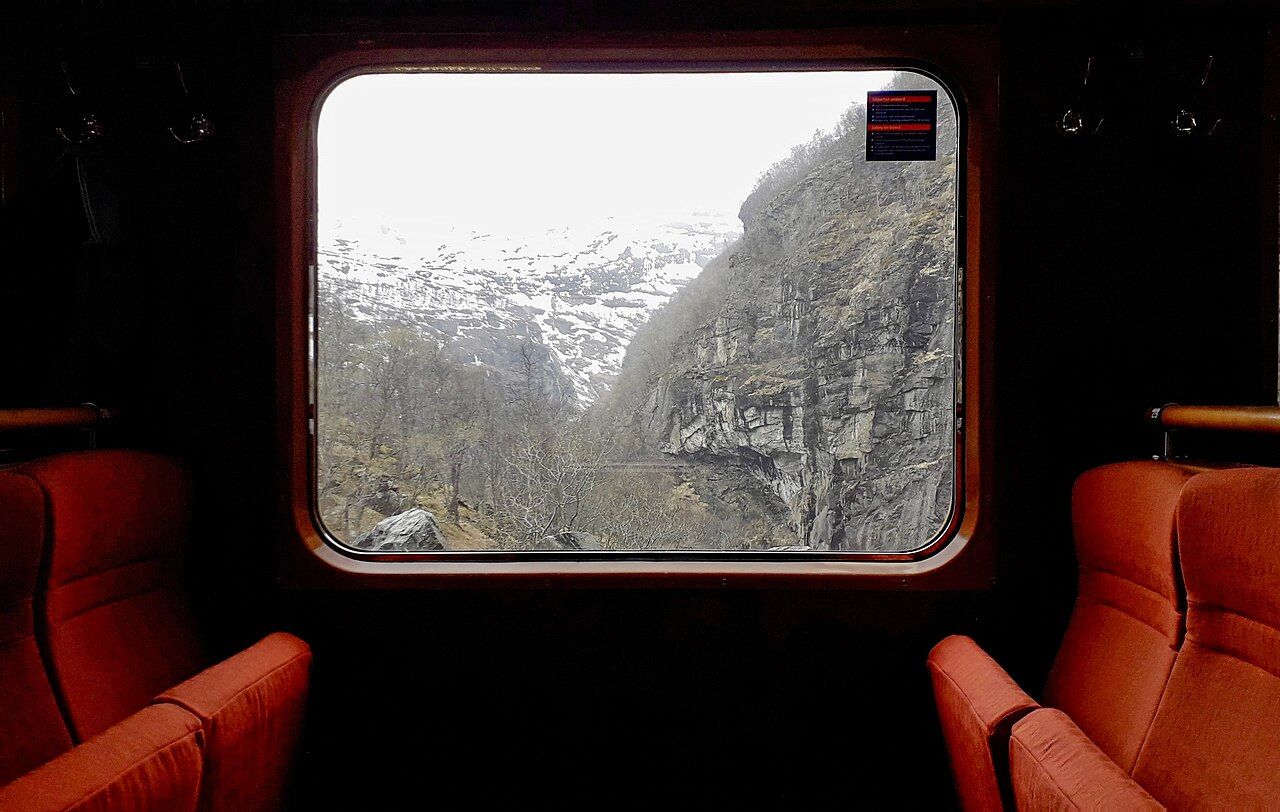
Many trips go wrong for the same reason: too much is packed into too little time. The itinerary looks exciting on paper, with a new town every day or two, but in practice you spend half of each day packing, checking out, finding transport, sitting in it and checking in again. You see a great deal of stations and not much of anywhere else.
Slow travel is the practical answer. It does not require a long sabbatical or a particular attitude. It simply means making a few different choices when you plan: fewer bases, longer stays, travel between places that is worth having for its own sake, and room for the plan to change.
Fewer bases, longer stays
The most effective change is to cut the number of places you sleep. Instead of six towns in ten days, try three. Each move costs you time at both ends, plus the energy of learning a new neighbourhood, and the savings add up quickly.
From a single base you can make day trips to nearby towns, sites and landscapes, returning in the evening to a room you know. You learn which bakery opens first, which bus goes where, and how the light falls on your street. Prices often drop for longer stays, and you can do laundry, cook a meal or simply rest without losing a travel day.
- Count travel days honestly, including the time to get to and from stations.
- Choose bases with good transport links for day trips.
- Stay at least three nights wherever you can.
A place like Oaxaca shows why this works. A week in the city lets you reach ruins, villages and markets in the valleys around it, and you return each evening to the same streets.
Overland legs
A short flight saves time on paper, but once you add getting to the airport, security, waiting and the trip into town, the difference often shrinks. A train or bus may take longer, yet it starts and ends in the centre, and the time in between is part of the trip rather than a gap in it.
credit
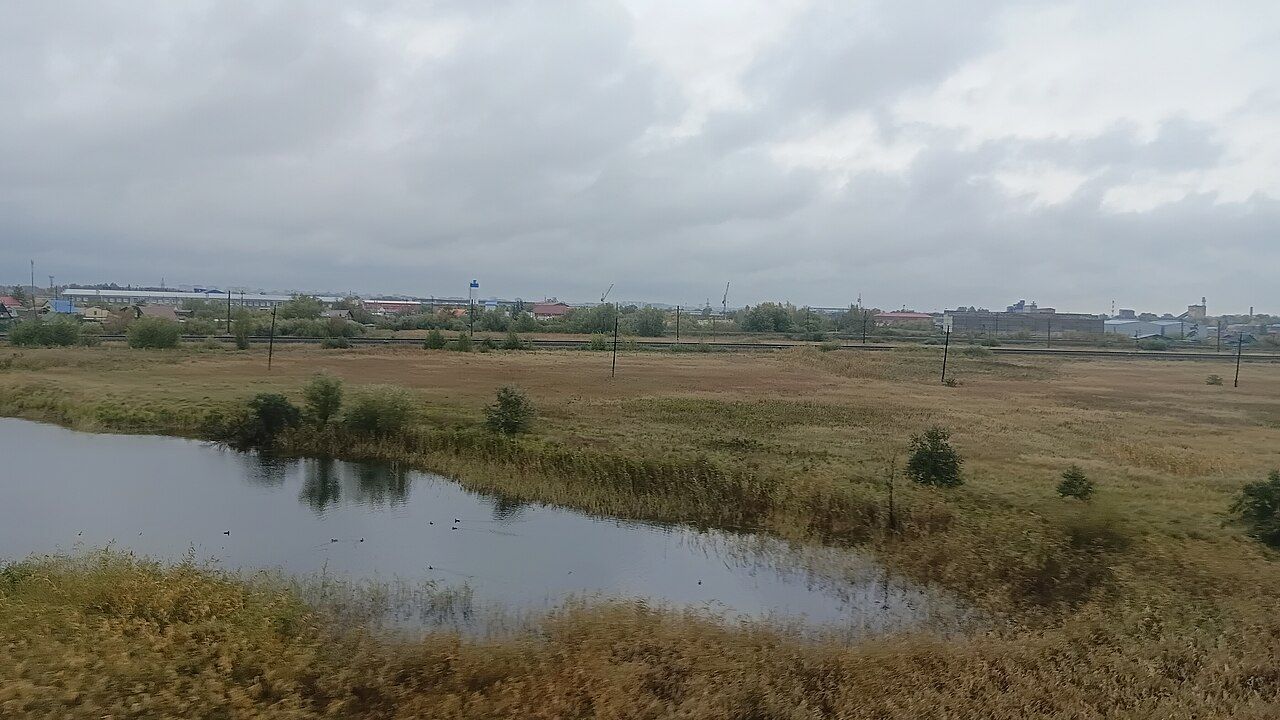
S. Kleinmichel · CC BY-SA 3.0Overland routes show you how one place turns into the next: the change in farmland, architecture and food as you cross a region. Some journeys are destinations in their own right, like the ferries through the canals of Kerala's backwaters, or long mountain railways. Even ordinary routes have their moments, a market at a station or a valley seen from a high bridge.
Overland travel does need some planning. Book long routes ahead where seats sell out, carry food and water, and allow buffers between connections. If a connection does fail, the steps in when you miss the connection help you recover without panic.
 Next on the tag · Latin AmericaThe Salar de Uyuni and the altiplano
Keeping a journal
A journal is one of the cheapest ways to make a trip feel longer and richer. It does not need to be a literary exercise. A few lines each evening about where you went, what you ate, what surprised you and what you want to do next are enough.
Writing slows you down in a useful way. You notice more during the day because you know you will write about it later. Over a few weeks, the notes become a record that photographs alone cannot give you: names of dishes, words you learned, how a town felt at different times of day. A small notebook and a pen weigh almost nothing. If you prefer, a notes file on your phone works too, though paper has the advantage of not needing charging.
Some travellers add tickets, receipts or pressed leaves, or sketch a view instead of photographing it. Do whatever keeps you writing.
Letting the plan bend
A good slow travel plan has a shape, not a script. Book the parts that need booking: the first night, long-distance trains that sell out, accommodation during holidays and festivals. Leave the rest open enough that you can stay an extra night somewhere you like, or leave early from somewhere that does not suit you.
Flexible tickets and refundable bookings cost a little more, but they let you change your mind. A rough budget of days rather than a fixed schedule works well: a week in one region, a few days in another, with room to shift them. If the weather turns, a festival appears, or you simply want to stay put, you can.
The same flexibility helps when things go wrong. A cancelled train or a closed road stops being a crisis and becomes a reason to see somewhere you had not planned on.
Practical, not preachy
Slow travel can sound like a lecture, and it does not need to be. You do not have to give up flights, spend months away or avoid famous sights. Some trips are short and need to move fast, and that is fine.
What slow travel offers is a set of tools you can use as much or as little as you like. Drop one base from your next itinerary. Take one train instead of a short flight. Write three lines each evening. Leave one day unplanned. Each choice gives you a little more time in a place and a little less time getting to it.
Slower trips are also kinder to your body. Jet lag eases more quickly when you are not moving every day, as the first two days: jet lag and arrival explains, and you have time to eat well and rest.
Starting small
If you are used to fast trips, start with one change. On your next journey, stay three nights in your first base and take one overland leg you would normally have flown. Notice how the days feel. Most people find they remember these trips more clearly, spend less on transport, and come home less tired. Over time, the journey itself becomes the part of the trip you look forward to most.