
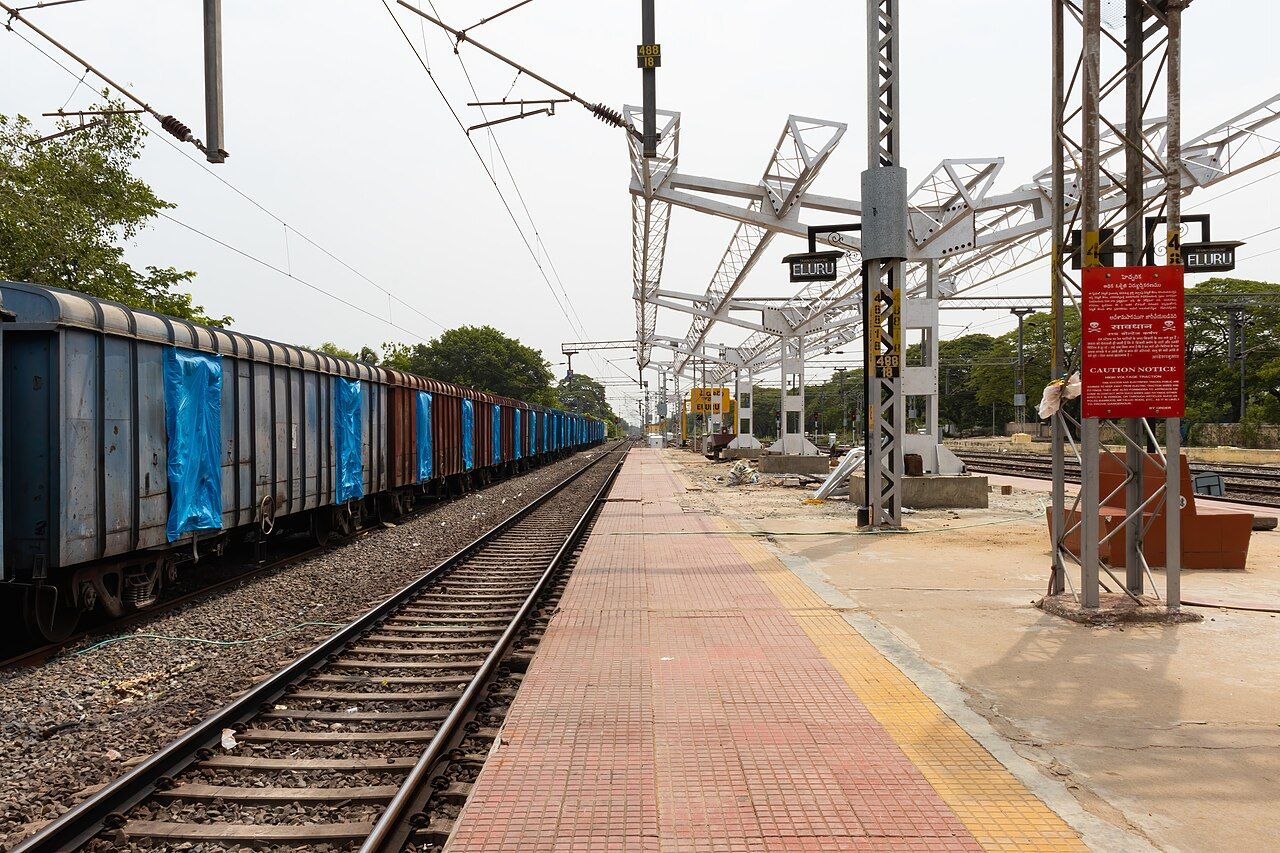
Missed connections are one of the most common ways a trip falls apart for a day. A late first flight, a slow passport check, a train that sits outside a station for twenty minutes, a bus that leaves early: the ways vary but the moment is the same. You arrive at the gate, the platform or the bay and the vehicle is gone.
The good news is that a missed connection is rarely the disaster it feels like. Most of the time there is a next service. The task is to get yourself onto it quickly, keep a record of what happened, and look after yourself while you wait.
What to do in the first half hour
Move quickly but calmly. Others from your delayed service are in the same position, and seats on the next departure go to the people who ask first.
- Find out whether you are protected. If both legs are on one ticket or booking, the carrier is generally responsible for getting you to your destination. If you booked separate tickets, you are usually on your own.
- Join the queue and call at the same time. Head for the transfer or service desk, and while you stand in line, phone the carrier or use its own website. Whichever answers first can rebook you.
- Ask for specific options. Look up the next few departures yourself so you can suggest them, including other routes or nearby stations and airports.
- Keep everything. Boarding passes, tickets, booking emails and receipts for food, transport or a room. Photograph them.
- Ask what support is available. Depending on the carrier, the country and the reason for the delay, you may be offered meals, a room or other help. Rules differ widely, so ask plainly and check the rules where you are.
Stay polite with the person at the desk. They did not cause the delay, and they often have more room to help someone who treats them well.
Flights, trains and buses are not the same
With flights on a single booking, the airline usually rebooks you on its next available service or that of a partner. Your checked bag should follow you, but confirm that it will, and keep essentials in your carry-on in case it does not. If it goes astray, the steps in the bag that did not arrive take over.
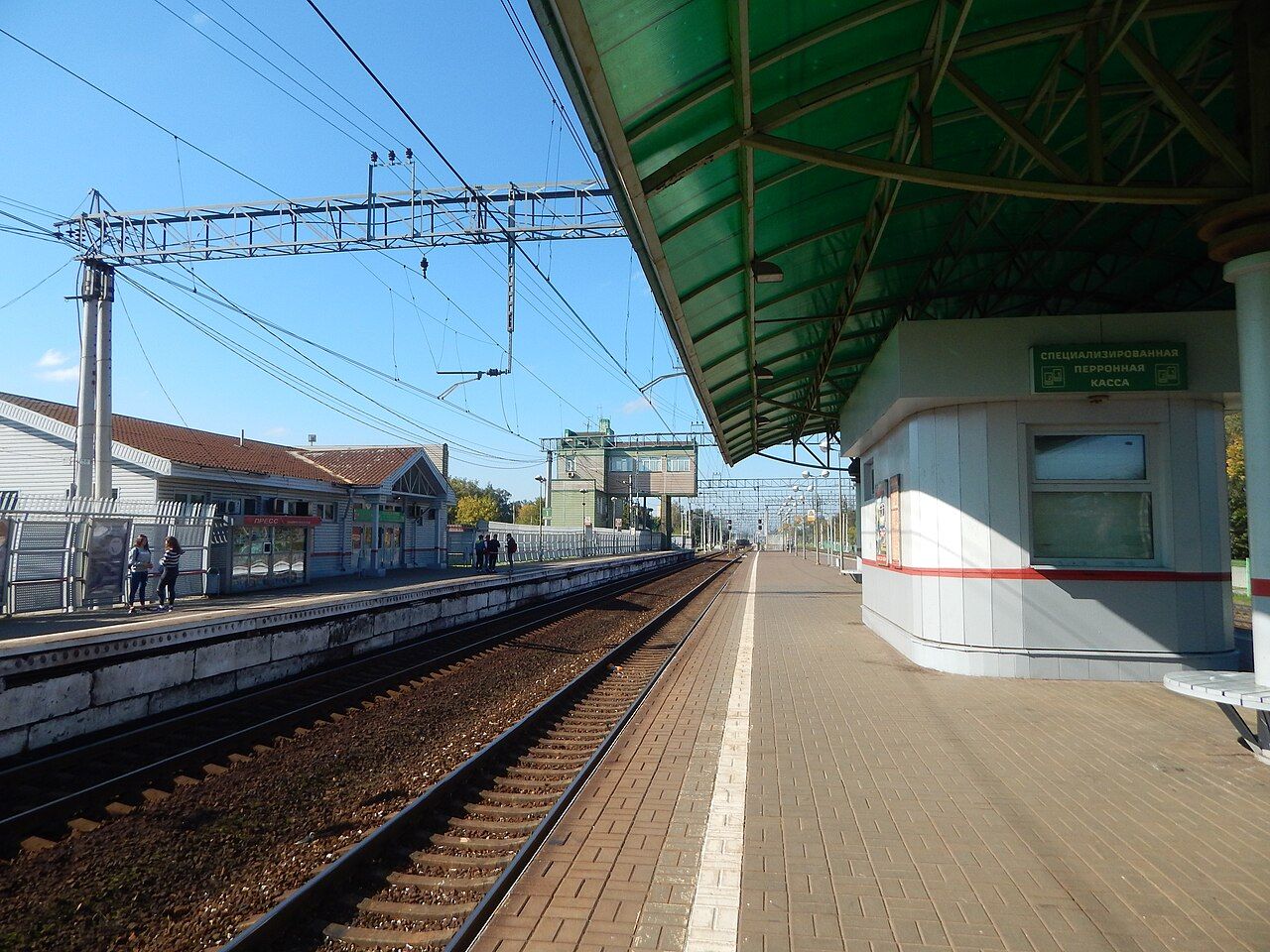
Trains vary by country. In many places a delayed connection on a through ticket allows you to take the next suitable train, sometimes with a stamp or note from staff.
credit
Voltmetro · CC BY 4.0Long-distance buses often offer the least protection. Some companies will move you to the next departure; others treat the ticket as used. If your bus connection depends on a train or plane arriving on time, it is worth a call ahead to ask how they handle late arrivals.
 Next on the tag · Trip-upsThe first two days: jet lag and arrival
Buffers that actually work
Most missed connections are made at the booking stage, not on the day. Booking engines happily sell tight connections that technically meet the minimum, and these work when everything runs to schedule. They fail when one thing slips.
- Allow extra time where you change terminals, go through immigration or collect and recheck bags.
- For separate tickets, leave hours rather than minutes, and on long-haul trips consider an overnight stop between them.
- Avoid the last service of the day as a connection; if you miss it, you are stuck until morning.
- In winter, during storms or at holiday peaks, assume delays and leave more slack than usual.
A generous buffer can feel like wasted time when everything works. It is a cheap insurance policy, and a long gap in a station or airport is easier to fill than a missed onward journey. Thinking of the change itself as part of the trip, as in making the journey the destination, takes some of the sting out of waiting.
The overnight in the station
Sometimes there is no next service until morning. Before you settle in, check whether the station or terminal stays open all night; many close their doors after the last departure. Airports more often stay open, but not all areas do.
If you are staying, choose a spot near other travellers, staff or security, keep your bags attached to you, and set an alarm. A light layer, a scarf over the eyes and earplugs make a hard bench more bearable. Charge your phone whenever you pass a socket. If you are offered a room or can afford one nearby, the rest usually pays for itself the next day, especially if you are arriving somewhere new and need your wits about you.
Insurance and what to note down
Travel insurance often covers some costs of missed connections, but conditions vary and policies usually require that you allowed reasonable time and kept evidence. Read the wording before you travel, not at the desk.
Write down the times things happened: when the first service arrived, when you reached the desk, who you spoke to, and what you were offered. These notes, with your receipts, make any later claim much simpler. Then put the frustration down. Once you are rebooked, the rest of the day is about getting there in one piece and being kind to yourself when you arrive.