
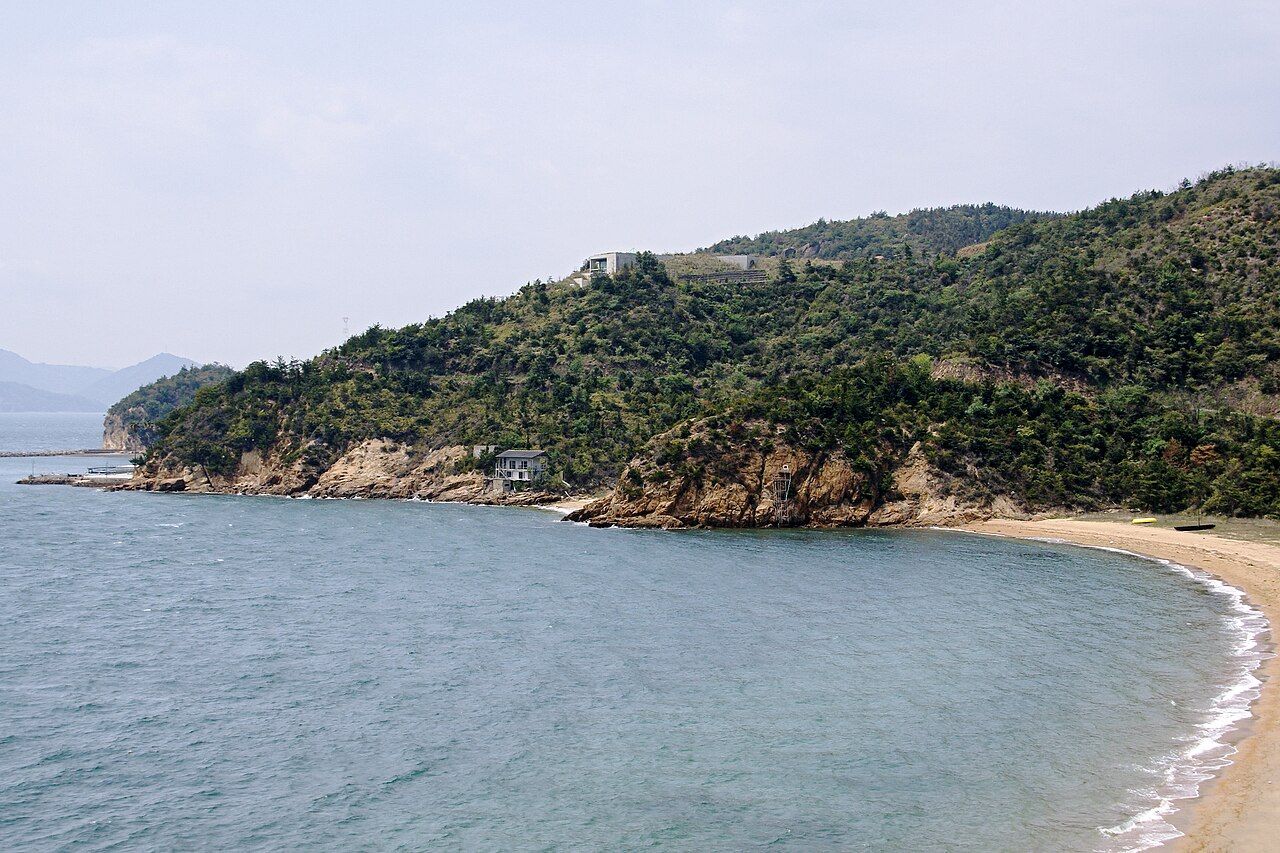
Naoshima is a hilly island of fishing villages, beaches and small farms in the Seto Inland Sea, between Honshu and Shikoku. Since the late 1980s it has been turned, piece by piece, into one of the most talked-about art destinations in Asia, with museums set into hillsides, old houses rebuilt as installations and sculptures placed on the shore. The island is small, but the art keeps its own hours, and those hours shape your day more than the ferry timetable does.
Plan around three things: the days the museums close, the timed tickets for the most popular venues, and the boats. Get those right and Naoshima is one of the calmest days you can spend in Japan.
Getting there by ferry
Most visitors cross from Uno Port, a short train ride from Okayama on the JR Uno Line. Ferries and faster passenger boats run from Uno to Miyanoura, the island's main port, in well under half an hour, and some boats also call at Honmura on the east side. Boats from Takamatsu on Shikoku take longer and are useful if you are travelling around the Inland Sea.
Timetables change with the season, and the last boats leave in the early evening, earlier than many people expect. If you are chaining trains, ferries and a flight on the same day, the advice on missing a connection applies doubly to island hops.
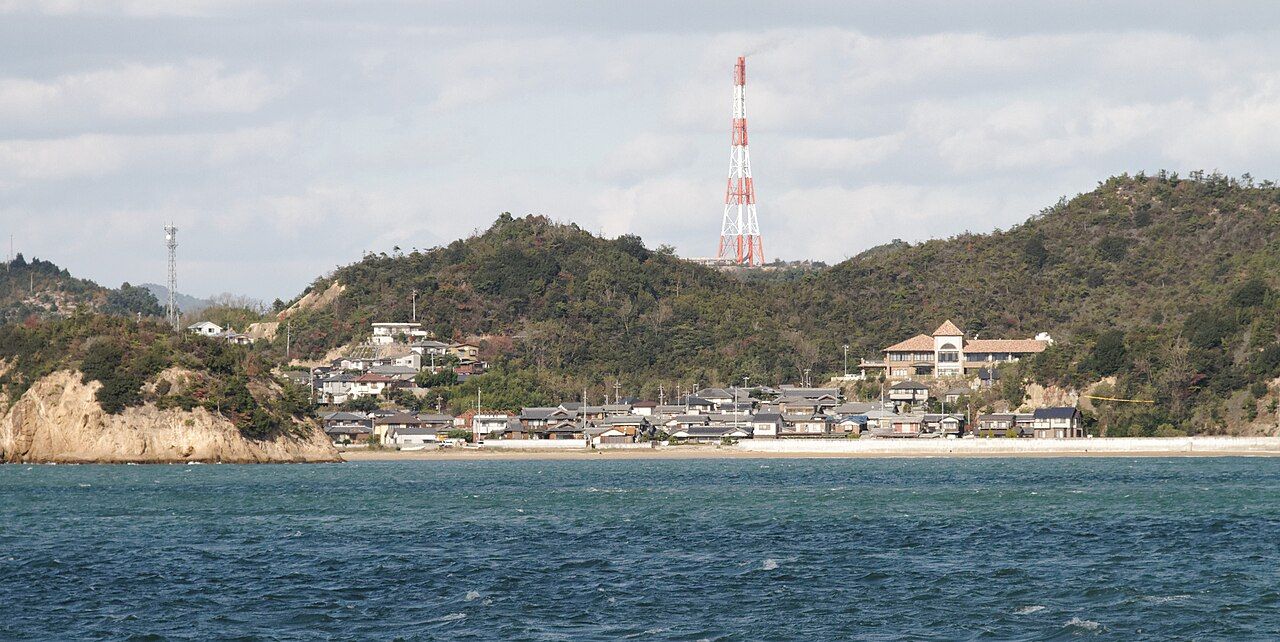
credit
KimonBerlin · CC BY-SA 2.0The Chichu Art Museum
The Chichu Art Museum, designed by Tadao Ando, is built mostly underground on a hill above the south coast. Its rooms are lit by daylight, which changes the works through the day, and it holds a small number of pieces by Claude Monet, James Turrell and Walter De Maria, each given a space designed for it. Entry is by timed ticket, numbers are limited, and tickets are reserved in advance.
Inside, the pace is slow by design. You may be asked to remove your shoes in some rooms, and photography is not allowed in the galleries. Give it at least two hours, and do not stack another timed visit too closely behind it.
The pumpkins and the south coast
Yayoi Kusama's yellow pumpkin, sitting at the end of a concrete pier on the south coast, is the island's best-known image. After a typhoon swept it into the sea in 2021 it was rebuilt and returned to its pier. A red pumpkin, larger and open so you can step inside, stands by the water at Miyanoura port. Expect a queue for photographs at the yellow one in the middle of the day; early morning and late afternoon are quieter.
 Next on the tag · AsiaThe Kumano Kodo, one stone step at a time
The south coast also has several museums by Tadao Ando within walking distance of each other, linked by paths and a shuttle bus that runs between the sites. Outdoor sculptures dot the beaches and the slopes above them, and walking between them on a clear day is as much a part of the visit as any gallery.
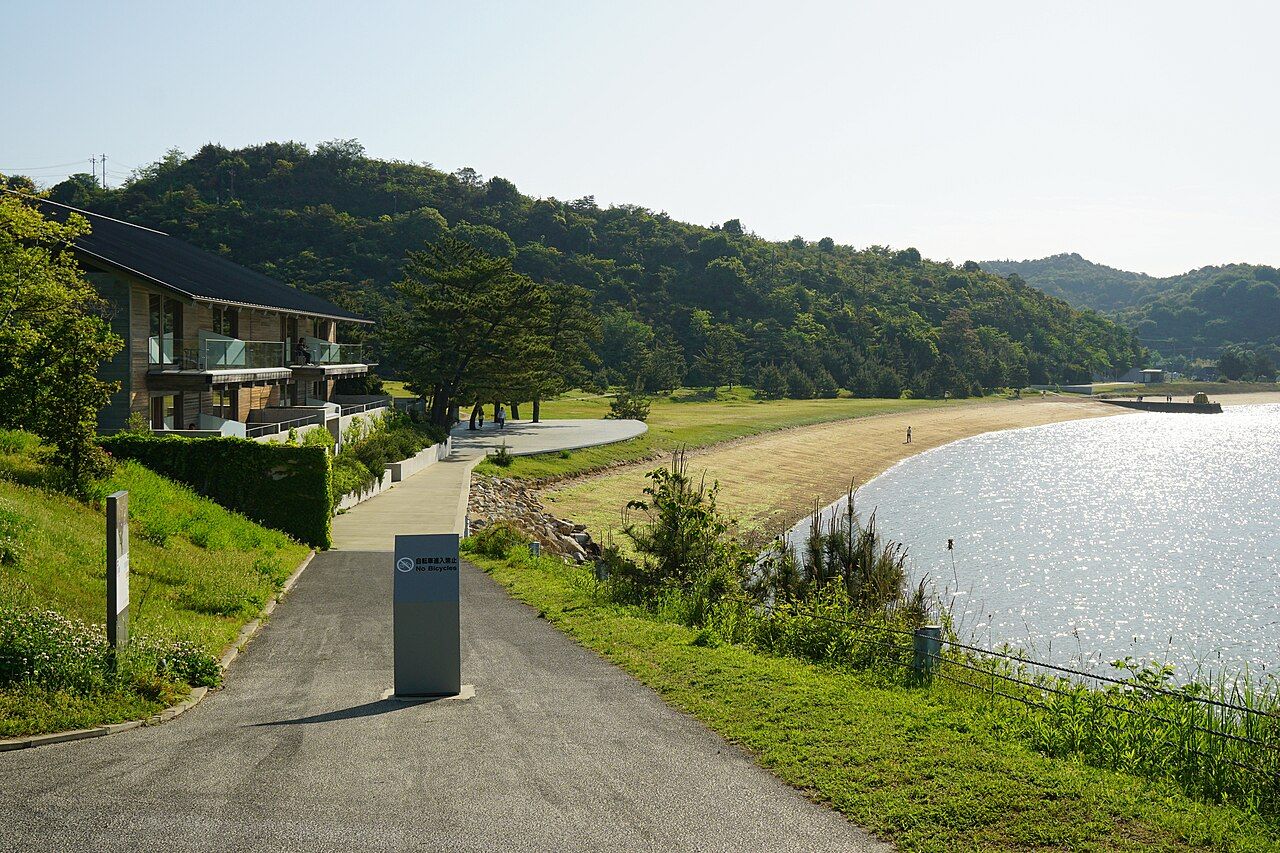
credit
663highland · CC BY 2.5The Art House Project in Honmura
In Honmura, an old village on the east coast, artists and architects have turned empty houses, a shrine and a temple site into permanent works scattered among lived-in homes. One ticket usually covers most of the houses, though at least one needs its own booking. Minamidera, designed by Ando, holds a work by James Turrell that begins in what feels like total darkness; give your eyes time and do not rush out. At Go'o Shrine, a glass staircase links the shrine above ground to a chamber below.
This is a residential village. Keep your voice down in the lanes, do not peer into private homes, and follow the small signs that show where each house is. The village has its own small museum by Ando as well, and the lanes are pleasant to wander between visits.
Getting around and closed days
Naoshima is small enough to cross by town bus in a short ride, and the roads are hilly enough that an electric bicycle makes sense for most people. Walking works too if you are staying near the south coast. Buses can fill at busy times, so build in a margin before any timed entry.
Many venues close on Mondays, moving the closing day to Tuesday when Monday is a public holiday, and some close for maintenance at other times. The Setouchi Triennale, an art festival held every three years across the islands, brings far bigger crowds; check its dates before choosing yours. A single day is possible but rushed. Two days, or a night on the island, let you see the main works without sprinting, and suit a slower way of travelling.
Eating and practical notes
Food on the island is limited, with a modest number of small places, some with short opening hours or closed on the same days as the museums. Carry water and snacks. For vegetarians, Japanese stock usually contains bonito, so a bowl of noodles or a miso soup is rarely vegetarian even when it looks it; ask, and see the notes on eating vegetarian on the road. Okayama and Takamatsu have far more choice for the evening if you are staying on the mainland.
Bring cash for small purchases and buses, comfortable shoes for hills and gallery floors, and something for rain. Summer is hot and humid, and the rainy season usually runs from about June into July, so spring and autumn are the most comfortable times to visit.