

Most checked bags arrive with their owners, and most of those that do not are only delayed, usually turning up within a day or two. That does not make the wait at an empty carousel any less unsettling, especially at the start of a trip. A small amount of preparation before you fly and a few clear steps when it happens turn a bad evening into an inconvenience.
Before you leave the baggage hall
The single most useful thing you can do is report the missing bag before you walk out. Once you pass through customs, getting back in can be difficult, and reports filed later are often harder to process.
- Wait until the belt has clearly finished, and check any area for oversized or late-arriving bags.
- Find the baggage service desk for the carrier that flew your last leg, even if an earlier carrier checked the bag.
- File a report. You will usually receive a written reference, often called a property irregularity report. Do not leave without it.
- Describe the bag precisely: brand style, colour, size, any ribbons or tags, and a few distinctive items inside.
- Give a delivery address and a phone number where you can actually be reached, and ask how delivery works.
Ask the desk what you can buy while you wait and whether they offer any immediate help with essentials. Policies vary by carrier and country, so ask directly and get the answer in writing if you can.
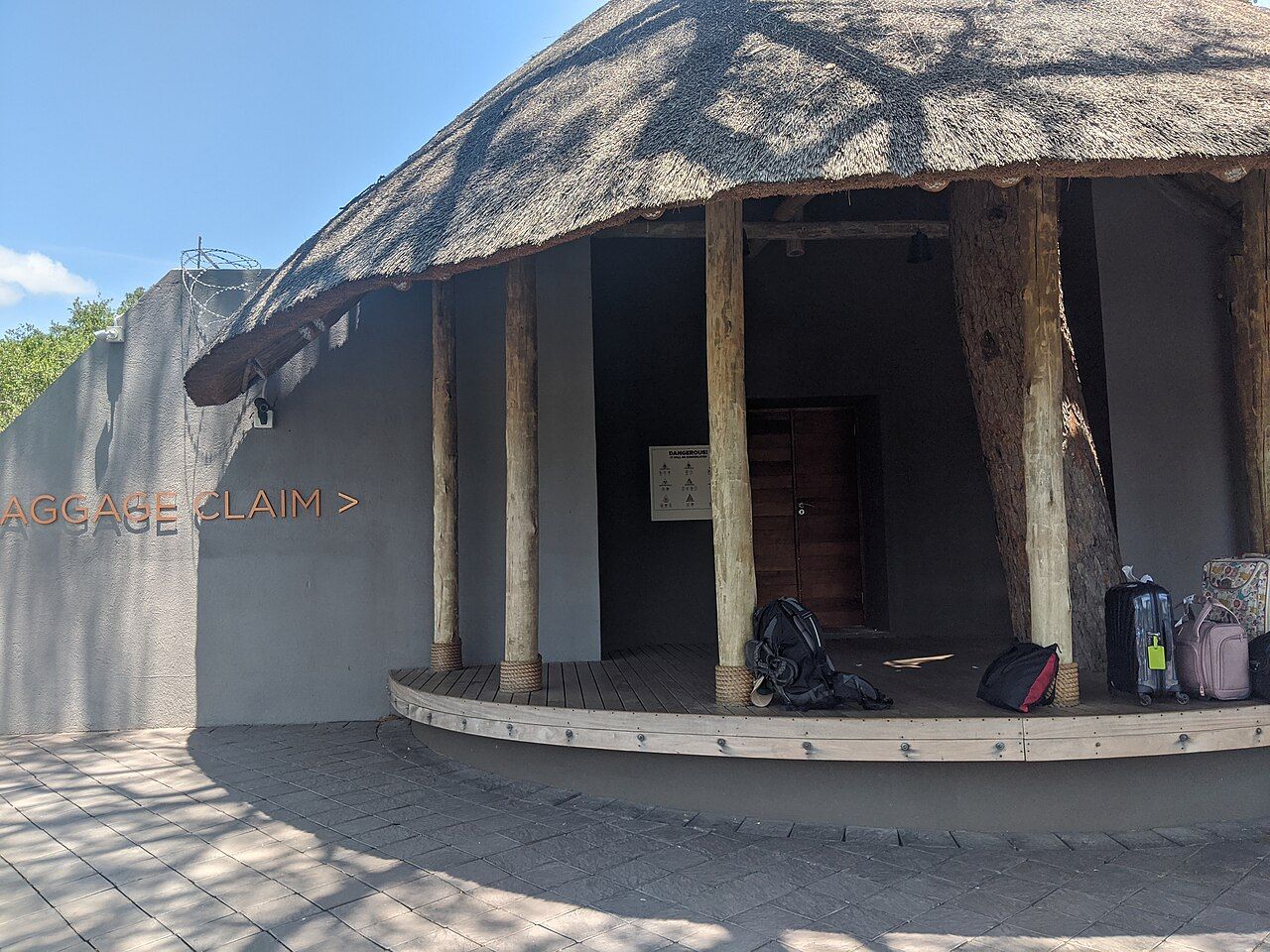
credit
Michelle Egly · CC BY-SA 4.0Tracking the bag
With your reference number you can usually follow the search online or by phone. Updates are not always quick, and the system may show little for the first day. If you have placed a small location tracker inside your bag, it may show you where the bag is long before the official system does, which can help you point staff in the right direction. Share that information politely; it does not always speed things up, but it can.
If you are moving on to another town, tell the carrier your new address as early as possible. Delivery to a moving target is where many delayed bags end up stuck. If you can, stay put for a day; a slower start to the trip, the kind described in making the journey the destination, makes this much easier.
 Next on the tag · Trip-upsWhen you miss the connection
Claims in general terms
Rules on what you can claim and how much vary by carrier, route and country, and they change. The broad pattern is consistent, though.
- Delayed bags. You can usually claim reasonable costs for essentials you had to buy, such as toiletries and a change of clothes. Keep receipts and do not go overboard.
- Lost bags. After a period of searching, a bag may be declared lost, and a different kind of claim applies. Expect to list contents and their value.
- Damaged bags. Report damage at the desk before you leave, ideally with photographs.
Time limits for written claims are often short, so file promptly and keep copies of everything you send. Travel insurance may cover costs the carrier does not; check your policy, and remember that many policies expect you to have claimed from the carrier first.
The carry-on survival kit
The best protection against a lost bag is not needing it for the first day or two. Pack your carry-on as if the hold bag might go missing:
- Any medicine you take, with a copy of the prescription.
- A change of underwear and a light top.
- Toothbrush, small toiletries that meet the liquid rules, and contact lens supplies.
- Phone charger, plug adaptor and any spare batteries.
- Copies of key documents and bookings, on paper and on your phone.
- Snacks for the day, especially if you have dietary needs; see eating vegetarian on the road for what travels well.
Photograph your bag and its contents before you check it in. Put your name and a contact number on a tag outside and on a card inside, along with your destination address. The card inside helps if the outer tag is torn off.
What never to check in
Some things should never go in the hold, both because they are hard to replace and because some are not allowed there at all.
- Passports, visas and other identity documents.
- Money, cards and anything of high value, including jewellery.
- Laptops, cameras and other electronics you cannot easily replace.
- Spare lithium batteries and power banks, which are generally required to travel in the cabin.
- Medicine you need in the next few days.
- Keys to your home or car.
Short connections and the risk of separation
Bags are most likely to be left behind where connections are tight, where you change carrier or where the route has several legs. A longer connection gives the bag time to make the transfer as well as you. If you see a very short connection on your itinerary, it is worth knowing in advance what you would do without your bag for a day; the related problem of missing the flight yourself is covered in when you miss the connection.
Then close the report and file your receipts. Most stories end there, with a bag on the doorstep and a few toiletries you did not really need. With a well-packed carry-on, the first days of the trip carry on almost as planned.