
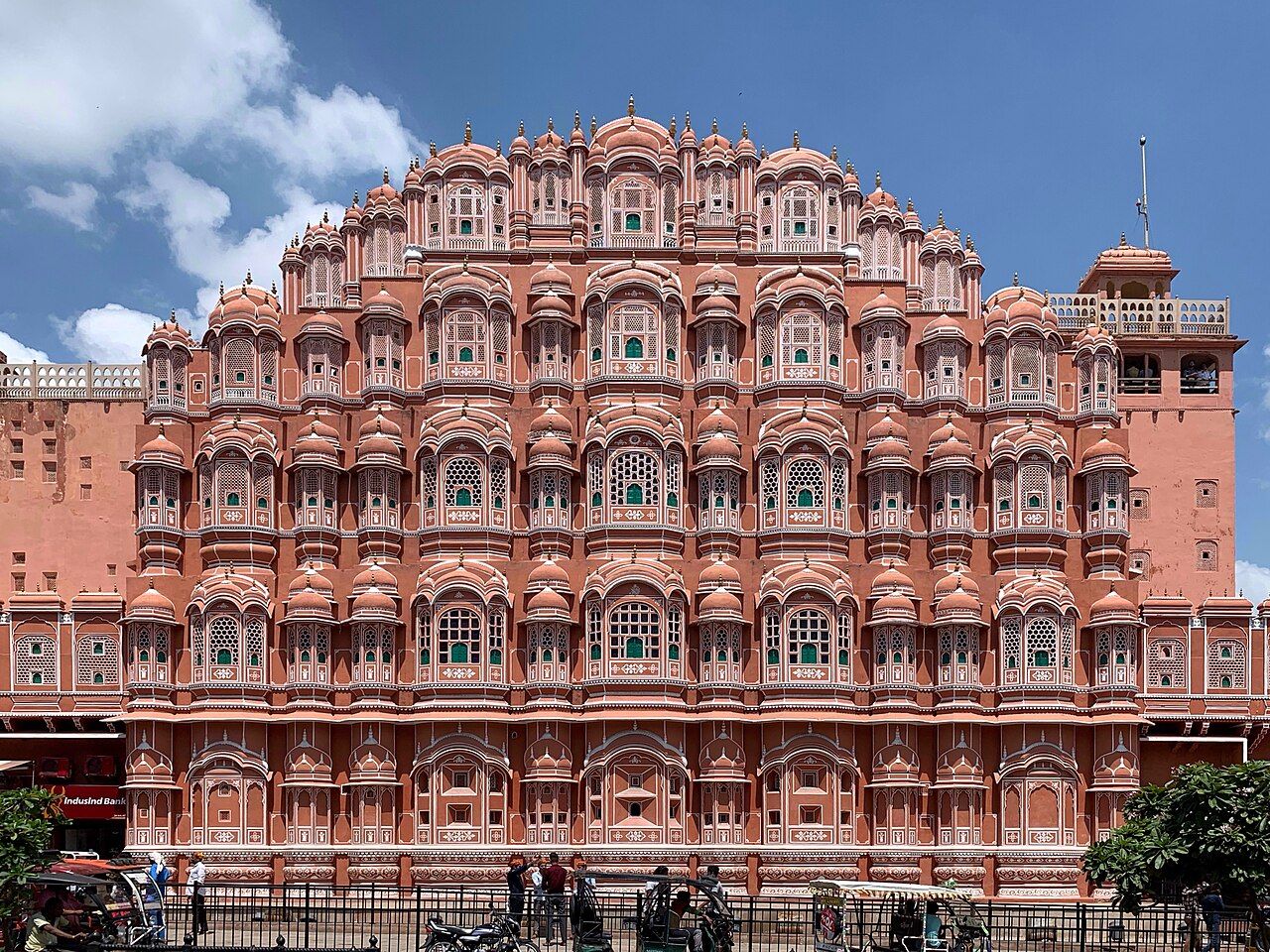
Jaipur was laid out in the 1720s by Maharaja Sawai Jai Singh II, a ruler with a deep interest in astronomy, and his city still runs on his plan: a grid of wide streets inside walls, divided into blocks, with the palace and the stone observatory of Jantar Mantar at its heart. The old city's facades were painted a terracotta pink in the nineteenth century, and the walled city is now on UNESCO's World Heritage list.
It is also a busy, loud, hot state capital of several million people, and the main sights draw tour groups from Delhi and Agra every day. The way to enjoy it is not to cram. Take two or three days, start early, rest in the hottest hours, and leave room for an evening walk through the bazaars.
Amber Fort and the hills above the city
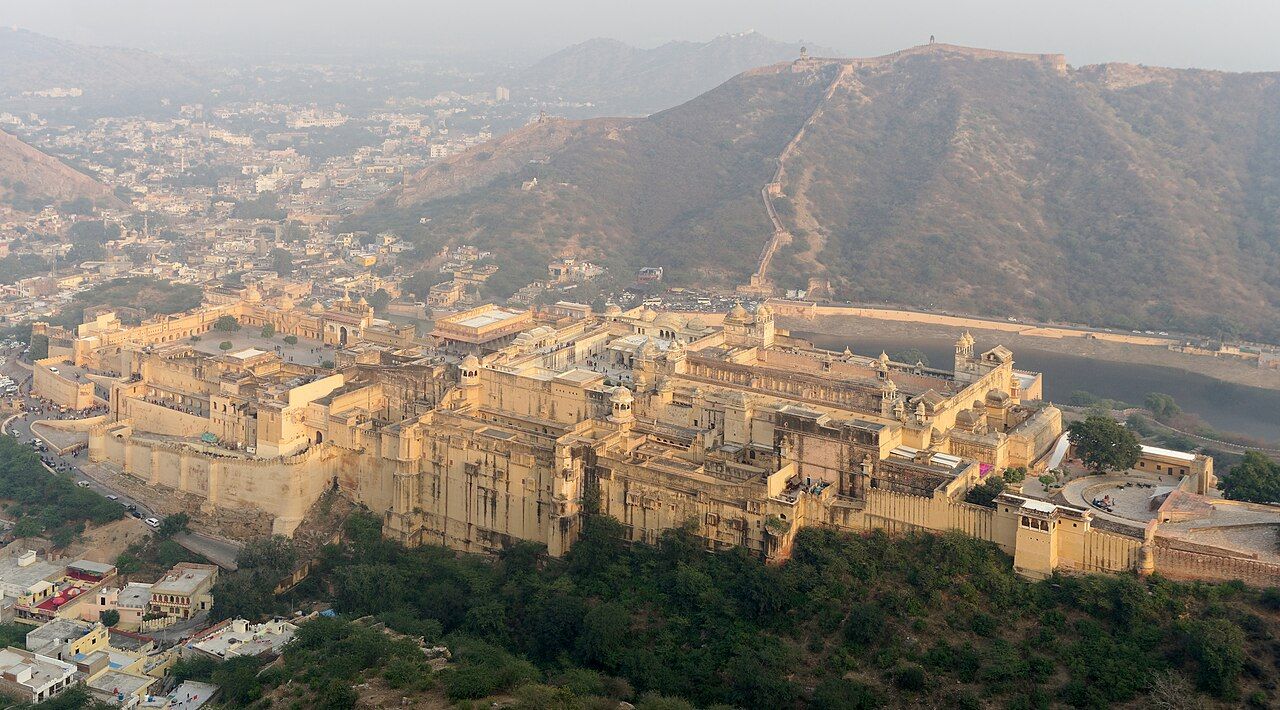
Amber Fort, also written Amer, rises from a ridge above Maota Lake, roughly 11 kilometres north of the old city. Built in pale sandstone and marble over several reigns, it was the seat of the Kachwaha rulers before Jaipur existed. Inside are courtyards, gardens and the Sheesh Mahal, a hall whose walls and ceilings are set with small mirrors that catch the light of a single flame.
credit
Jakub Hałun · CC BY-SA 4.0Go at opening time. By late morning the coaches arrive, the courtyards fill and the heat off the stone becomes hard work. You can walk up the ramp from the road in about fifteen minutes or take a vehicle to the upper entrance. Elephant rides to the gate are offered; animal welfare groups have long raised concerns about them, and the walk is pleasant in the cool of the morning.
Jaigarh Fort, on the hilltop above, was the military stronghold of the same rulers and has wide views over Amber and the walls that run along the ridges. Nahargarh Fort, on the hills directly above the city, is the usual place to watch the sun go down over Jaipur.
Jantar Mantar, read slowly
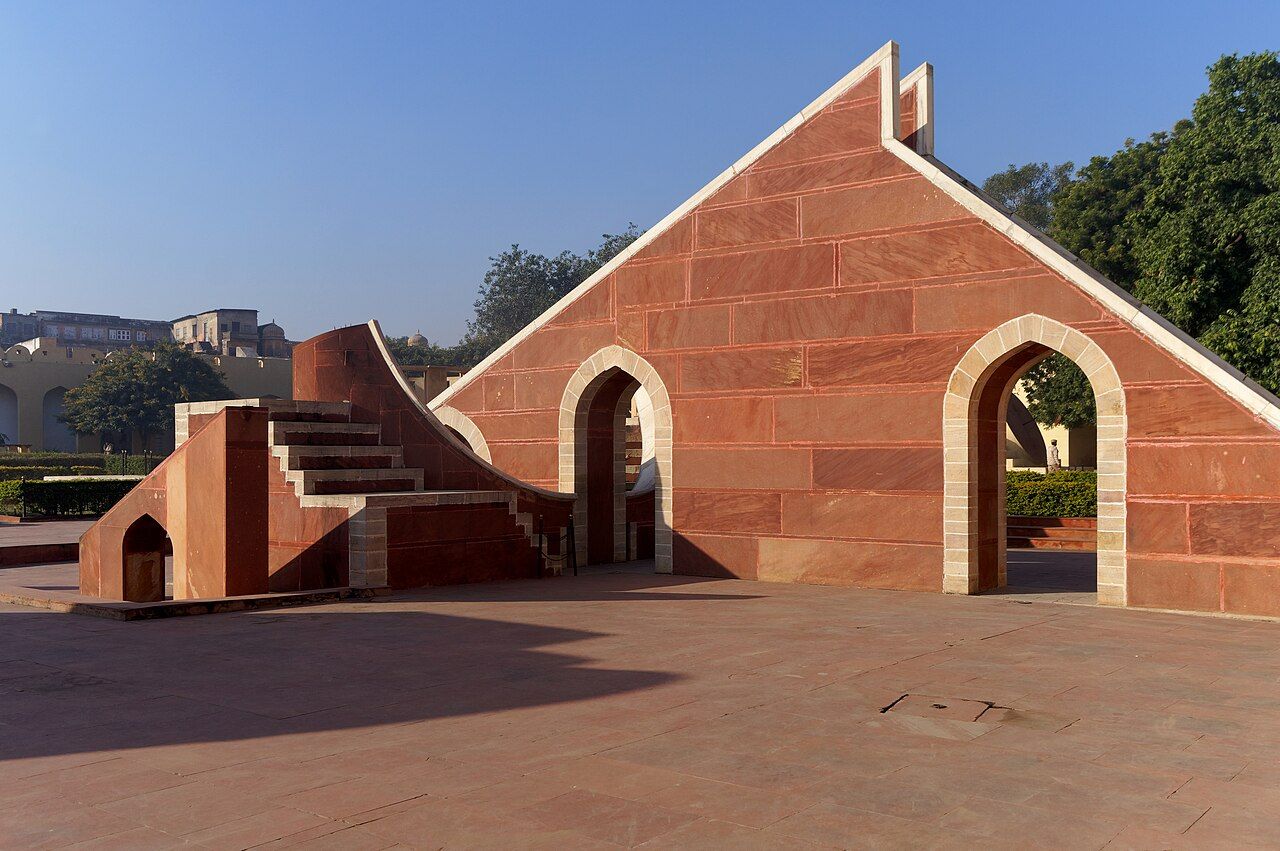
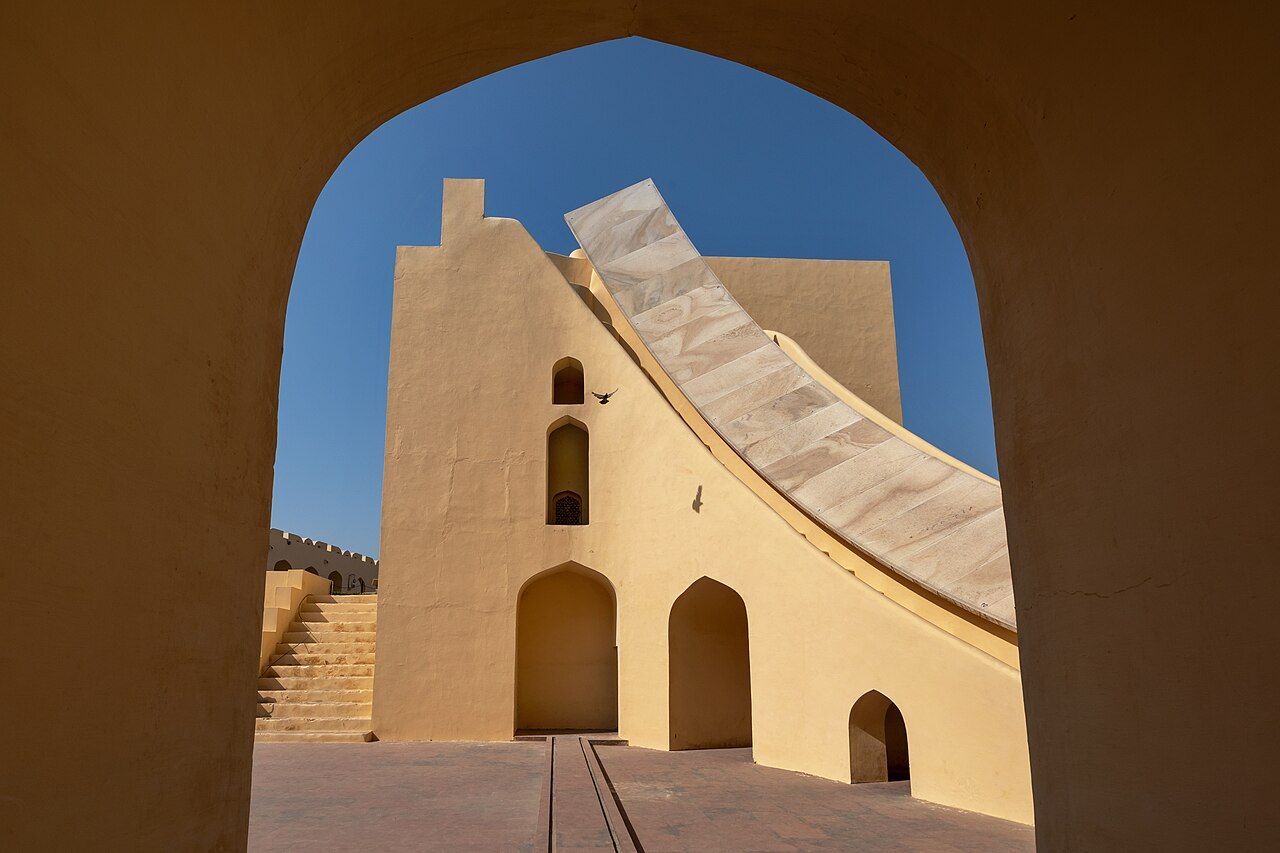
The observatory is a collection of large masonry instruments built for observing the sky with the naked eye, completed in the first half of the eighteenth century and listed by UNESCO in its own right. The instruments look like abstract sculpture at first: ramps, curved bowls sunk in the ground, arcs of marble marked with fine scales. Each was built to measure something specific, such as local time, the height of the sun or the position of stars.
credit
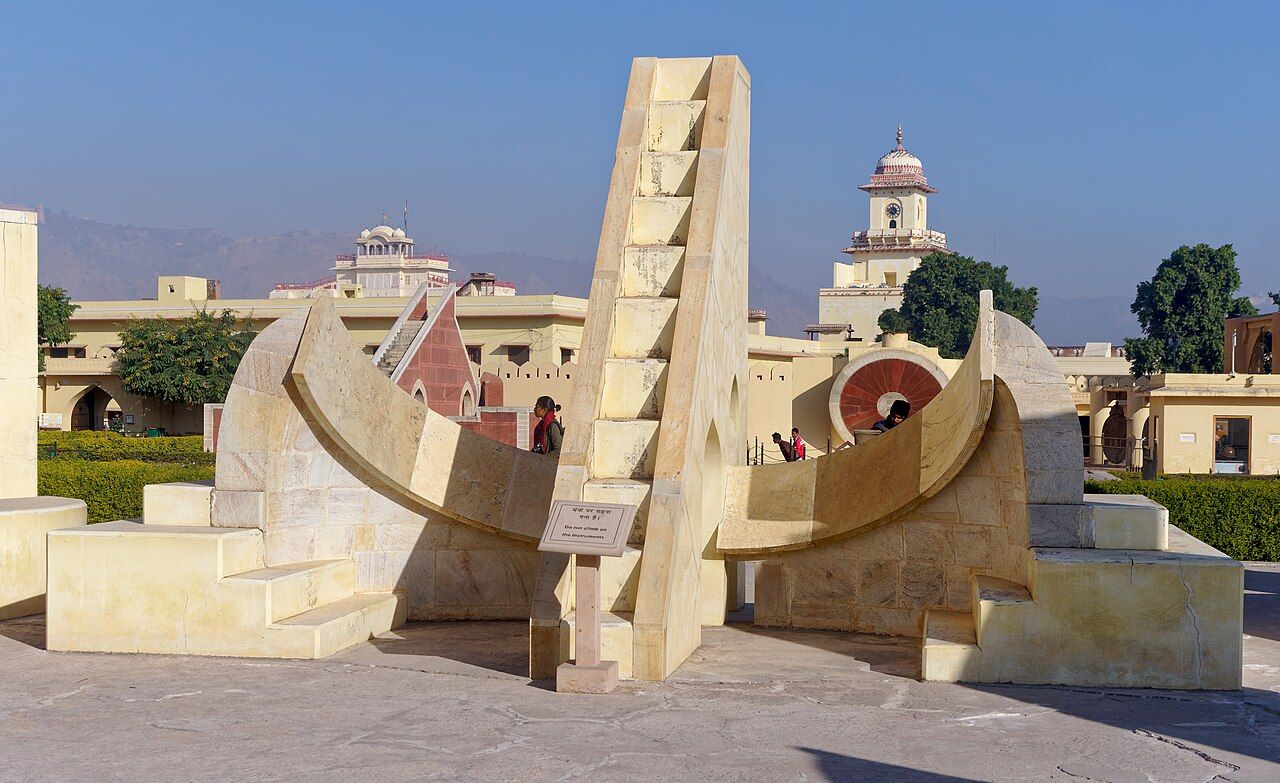
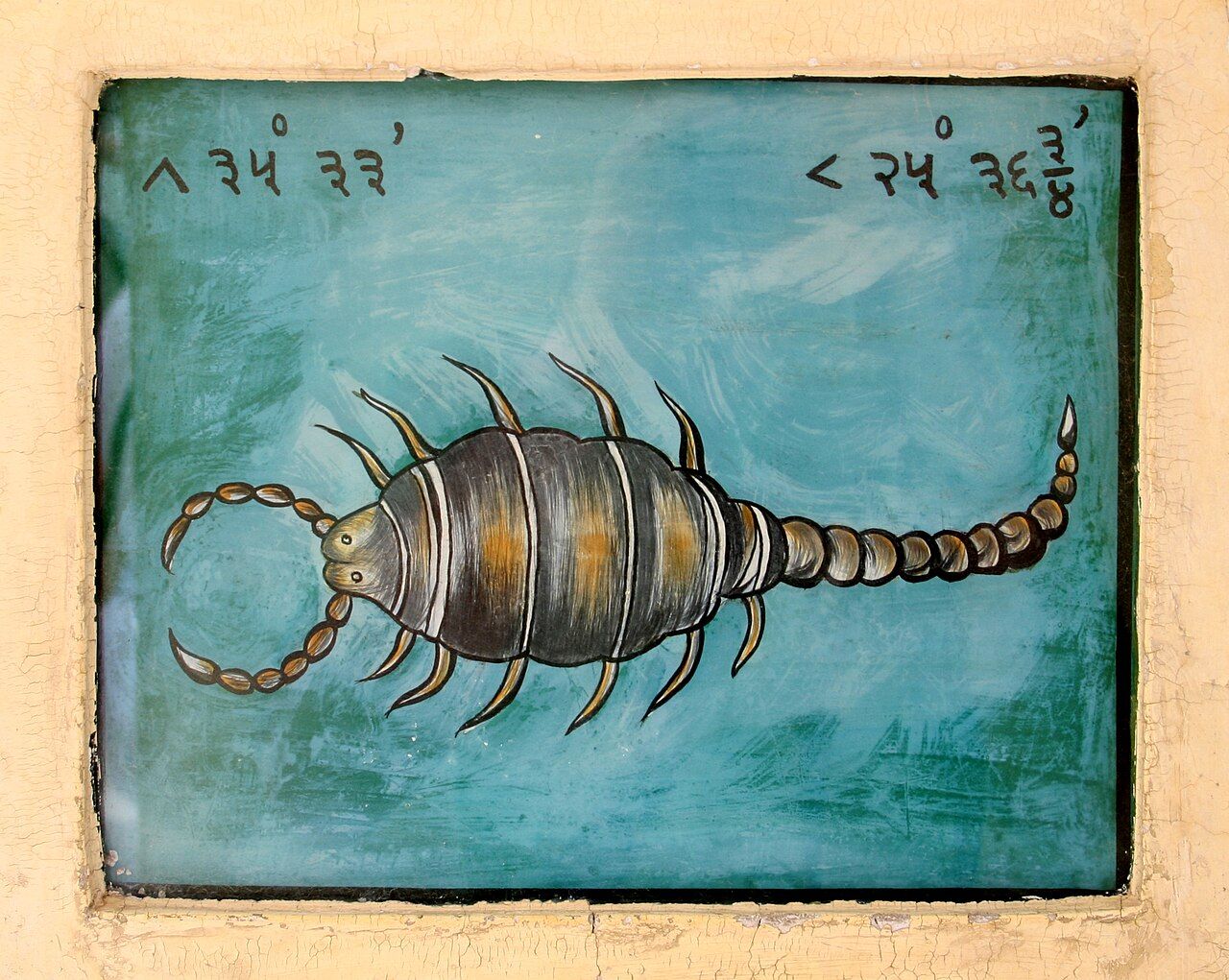
Jakub Hałun · CC BY-SA 4.0The largest, the Samrat Yantra, is a giant sundial whose shadow moves visibly along its scale as you watch. A group of smaller instruments is dedicated to the signs of the zodiac, each built for its own constellation. Hire one of the licensed guides at the entrance or read the panels carefully: without an explanation the site is merely striking, and with one it becomes fascinating.
credit
Jakub Hałun · CC BY-SA 4.0There is almost no shade. Go early or late, take water and a hat, and allow an hour or more.
credit
Sudipta Maulik · CC BY-SA 4.0The City Palace and the Hawa Mahal
The City Palace complex sits beside the observatory. Part of it is still home to the former royal family, and the rest is a museum of courtyards, gateways, textiles, weapons and painted rooms. The decorated gates of one inner courtyard, each themed to a season, are the most photographed corner.
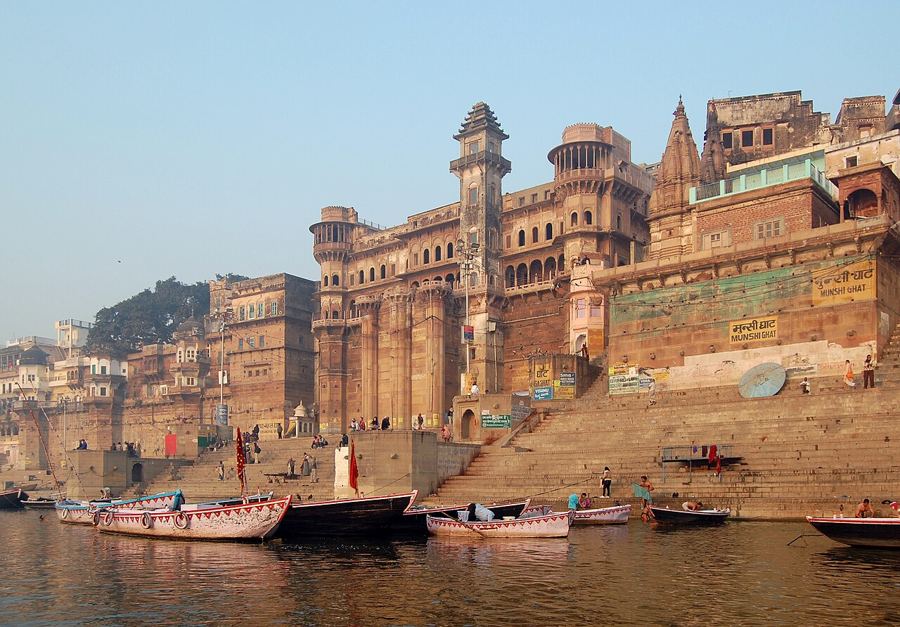 Next on the tag · AsiaThe ghats of Varanasi at dawn
The Hawa Mahal, built at the end of the eighteenth century, is less a palace than a screen: a tall, shallow facade of small windows and latticed balconies that let the women of the court watch street life without being seen. It is best seen from the far side of the road, in the morning when the sun is on it. You can also go in from the back and climb the narrow ramps inside to look out through the windows yourself.
A combined ticket for several state-run monuments in and around the city has long been available. What it covers, and for how long it is valid, changes from time to time.
For a quieter hour, the Albert Hall Museum, a grand Indo-Saracenic building in the Ram Niwas garden just south of the walls, holds decorative arts, costumes and miniature paintings, and its facade is lit up after dark. Between sights, walk a stretch of the old city's arcaded main streets rather than taking a rickshaw for every hop. The covered walkways under the pink facades give shade, and the grid makes it hard to get badly lost: the main streets run straight, and the gates in the wall are named and signposted.
The bazaars, the heat and the touts
The old city's bazaars are organised by trade, as they have been for centuries. Johari Bazaar is known for jewellery, Bapu Bazaar for textiles and leather slippers, and side streets specialise in bangles, brass or block-printed cloth. Late afternoon into evening is the best time to wander, once the heat drops and the shops light up.
credit
Yann Forget · CC BY-SA 4.0Touts are part of the experience, and most are only persistent. The one trick to know by heart is the gem deal, in which a friendly stranger or shopkeeper suggests you carry jewels home to sell at a profit. It is a well-known scam. Decline and move on. Drivers who offer a cheap day tour often earn their money from commission at shops; if you want a driver, agree the stops and the price before you set off, and say plainly that you do not want shopping visits.
Prepaid and fixed-price taxi counters at the airport and railway station take the haggling out of arrival. Jaipur rewards the traveller who does less, earlier. From April to June daytime temperatures are fierce, and the monsoon months bring humidity and downpours; the cool, dry months from October to March are the comfortable time.
Jaipur rewards the traveller who does less, earlier.
Eating well as a vegetarian
Rajasthan is one of the easiest places in the world to eat vegetarian. Many restaurants serve no meat at all, and menus mark dishes clearly. Try dal baati churma, baked wheat balls with lentils and a sweet crumble, and ker sangri, a tangy dish of desert beans and berries. Ghee is used generously, and yoghurt, paneer and cream are everywhere, so vegans need to ask about each dish.
Drink bottled or filtered water and be choosy with uncooked street food in the first few days. If Jaipur is part of a longer loop through northern India, it pairs naturally with the river city of Varanasi, a long train journey east. The notes on your first days after arriving are worth a look before you land in Delhi, and eating vegetarian on the road covers useful phrases for the rest of the trip.